Most disputes are settled at the specification stage, not after delivery. The difference between an order you can enforce and one you cannot is whether every requirement is written as a measurable value.
1. 1. Replace Adjectives With Numbers
"Thick", "soft" and "natural colour" are not specifications. Weft stitches per inch, net bundle weight, curl pattern name, measured length when straightened and a colour reference are. A factory can only build what you wrote.
2. 2. State the Tolerance, Not Just the Target
Every dimension needs an acceptable range. Length tolerance and weight tolerance are what turn "wrong" into a documented deviation rather than an argument about opinion.
3. 3. Attach the Reference Sample
A retained physical sample plus a photograph of it, referenced by batch in the order, beats a page of description. When the shipment disagrees with the sample, the burden of proof is on the supplier.
4. Applying This to the Current Line
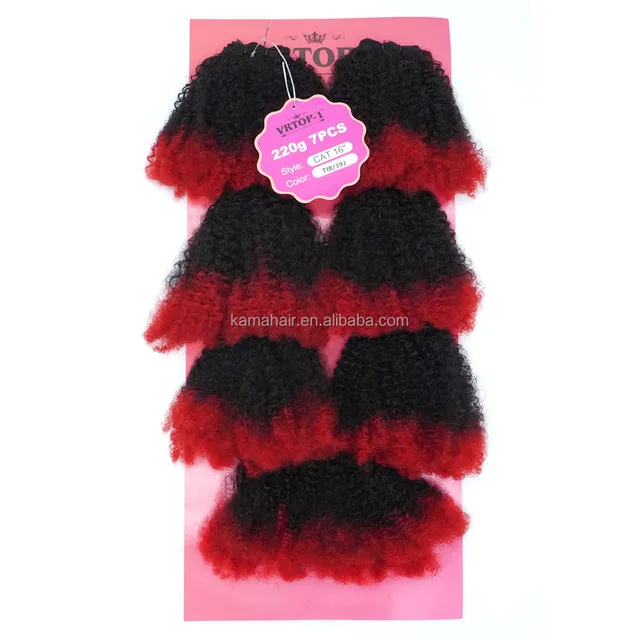
The figures above only matter against a concrete specification. For this category we are working with KAMA Soft Futura Hair Blended Bundles Afro Kinky Mixed Blended Human Hair with Closure for Women's Custom Wigs at 14.95~14.95 — record the same measurements for it on receipt and compare them with the batch you last accepted, rather than with the listing photograph.
5. What to Monitor
Keep your specification as a versioned document. When quality slips, you compare production against the version in force at the time rather than rewriting the requirement to fit what arrived.