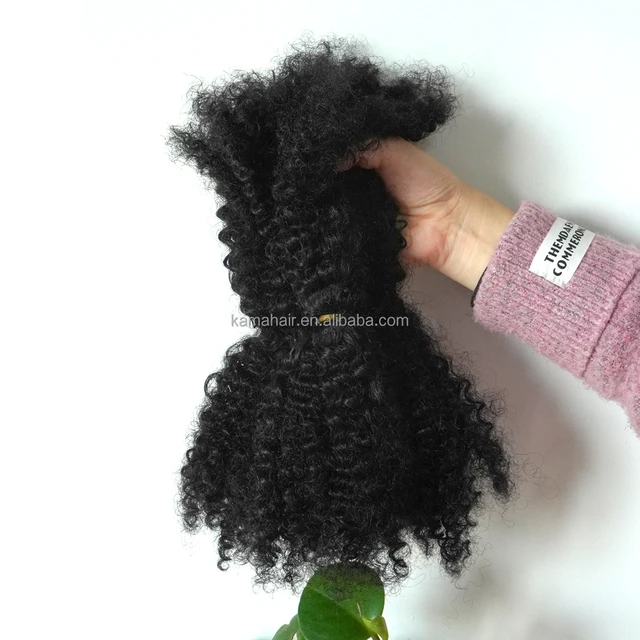
Salons rarely fail at the initial micro loc installation. The problems appear in the maintenance cycle, and they appear differently depending on whether the salon retightens by twisting or by interlocking. Buying material without knowing which method the salon will run is one of the most common specification errors in this category.
1. Twist Relaxation vs Interlock Lock-In
A twisted retightening holds its shape through the friction of the wrap and relaxes gradually between appointments. It is quicker to perform and gentler at the root, but it relies on the strand surface staying slightly textured so the wrap does not slip. An interlocked retightening passes the strand back through itself and locks mechanically, which holds far longer and tolerates smoother, more slippery fibre. The two methods therefore prefer different surface characteristics, and the extension material should be chosen to match.
2. Retightening Interval Planning
Interval length is set by how fast the new growth separates from the maintained grid, not by a number fixed at installation. A salon that books every six weeks on a twist schedule may find a coarser gauge holds comfortably, while a fine gauge on the same schedule produces root crowding. Set the interval against the gauge and the client's natural growth, then keep it consistent, because irregular spacing is what produces the uneven, lumpy root that clients describe as damage.
3. Buying Material That Matches the Method
For interlock schedules, prioritise fibre that resists slipping and holds a mechanical pass without fraying at the point of insertion. For twist schedules, prioritise fibre with enough surface grip to keep the wrap stable between appointments while staying soft enough for the client to sleep on. Ask the supplier to confirm which method the strand specification was developed for, and keep separate stock lines for the two methods rather than substituting one for the other when stock runs low.