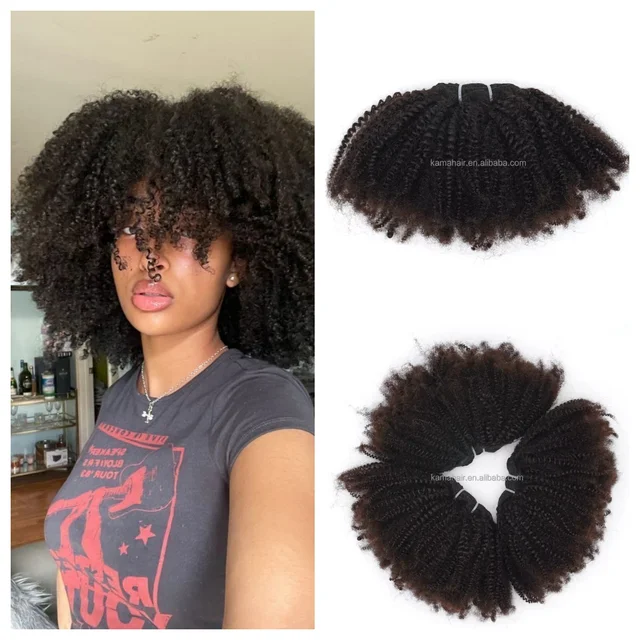
When a client reports thinning along the hairline after a weft installation, the instinct is to blame the stylist's tension. In most cases the real driver was decided weeks earlier on the purchase order, when weft width and density were specified without reference to the weight the natural hairline would have to carry.
1. Weft Width and Natural Hairline Load
A wide, dense weft concentrates more fibre weight on fewer anchor rows. On fine or fragile natural hair, that load transfers directly to the hairline, and the follicle damage is cumulative rather than immediate, which is why the complaint usually arrives several installations later. Specifying narrower wefts in a higher density band lets a stylist build the same visual volume across more, lighter rows and move the heaviest rows away from the perimeter.
2. Density Grading for Sensitive Scalps
Salons serving clients with a history of thinning or post-partum hair loss should hold a lighter density band in stock rather than asking the stylist to thin a heavy weft on the floor. Cutting into a finished weft disturbs the cuticle-aligned structure and is the fastest way to convert a quality product into a shedding one. Buying the correct density band up front protects both the fibre investment and the client relationship.
3. Full Cuticle Alignment as a Load Bearing Feature
Cuticle alignment is usually sold as a shine benefit, but its structural role matters more in weft construction. Aligned cuticles slide against each other instead of catching, so the weft keeps its internal integrity under repeated tension and washing. When specifying wefts, confirm cuticle alignment in writing and treat any unaligned substitute as a different product, not a cheaper version of the same one.