A lower unit price at a higher minimum order can still be the worse deal. What decides it is how long your cash sits in stock before a client pays you.
1. 1. Compute the Real Cost of the Extra Stock
Take the extra units you must buy to hit the MOQ, multiply by your landed cost per unit, and compare that with the discount earned. Storage, tying-up of working capital and dead texture risk all sit on the cost side; the discount sits alone on the other.
2. 2. Match MOQ to Sell-Through, Not to Price
A fast-moving texture justifies a deeper order; a slow one does not, however good the quote looks. Rank your SKUs by how quickly they leave the shelf and set MOQ per SKU rather than one rule for the whole order.
3. 3. Negotiate the First Order Down
Suppliers routinely accept a smaller trial order if you are specific about the follow-up volume and the date. Ask for the trial quantity and get the price break in writing so the second order is not renegotiated from zero.
4. Applying This to the Current Line
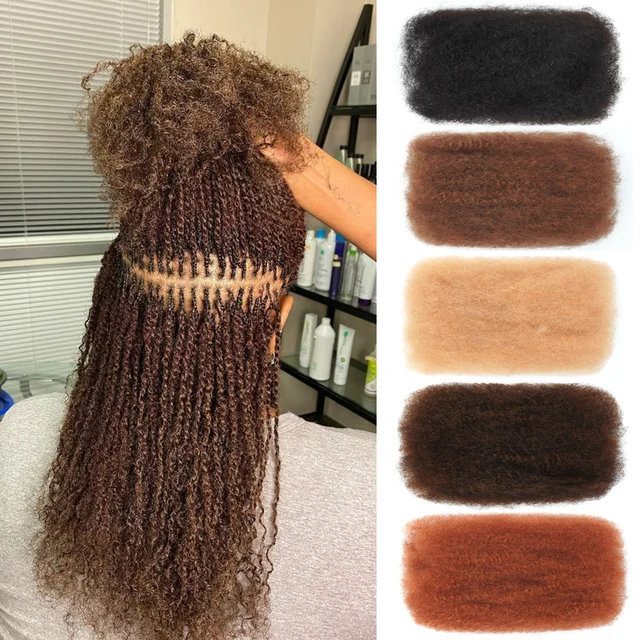
The figures above only matter against a concrete specification. For this category we are working with KAMA Factory Price Hair 4CW Accessories in Bulk Mixed Wholesale Afro Kinky Bulk Human Hair for Braids Braiding and Twist at 25.95~26.85 — record the same measurements for it on receipt and compare them with the batch you last accepted, rather than with the listing photograph.
5. What to Monitor
Track days of inventory per texture each quarter. If a line keeps growing while orders stay flat, the MOQ is too high regardless of the price.