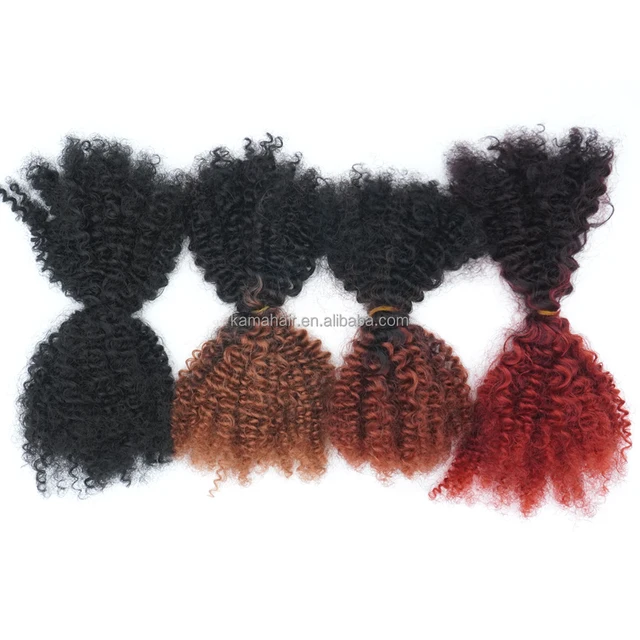
Material cost per client is the number that decides a salon's margin on textured services, and blended bulk is the tool most salons reach for to control it. Used deliberately, blending cuts cost without the client noticing. Used as a blanket substitution, it produces the matting and premature replacement that ends the repeat booking.
1. Where Blending Genuinely Makes Sense
Blended bulk works best where the fibre will not carry the visible heat or the long-term durability load. Braid and twist construction that is anchored with a durable base and carries the blend through the mid-shaft and ends gives the client the texture and volume they asked for at a materially lower cost. The client's hand and eye meet the fibre most directly at the ends, so keeping the highest quality material where it will be touched is the single most effective placement decision.
2. Calculating True Cost per Client
Cost per bundle is a misleading figure. Cost per client should be calculated as material consumed per head multiplied by the replacement interval, because a cheaper bundle that must be replaced sooner can easily cost more per service month. Build the calculation once, using real consumption figures from your own stylists rather than a generic estimate, and review it when bundle pricing changes. Salons that track cost per service month usually find the blended tier is profitable only when the replacement interval stays inside a stated range.
3. Engineering Margin Without Client Complaints
The complaint risk in blended bulk concentrates in two places: matting after washing and visible dulling at the ends. Both are largely managed by being explicit at consultation about aftercare and expected lifespan, and by placing the highest quality fibre at the ends where it is seen and touched. Stating the expected life plainly at the start converts a future complaint into an expected refill appointment, which is a better outcome for both the margin and the relationship.