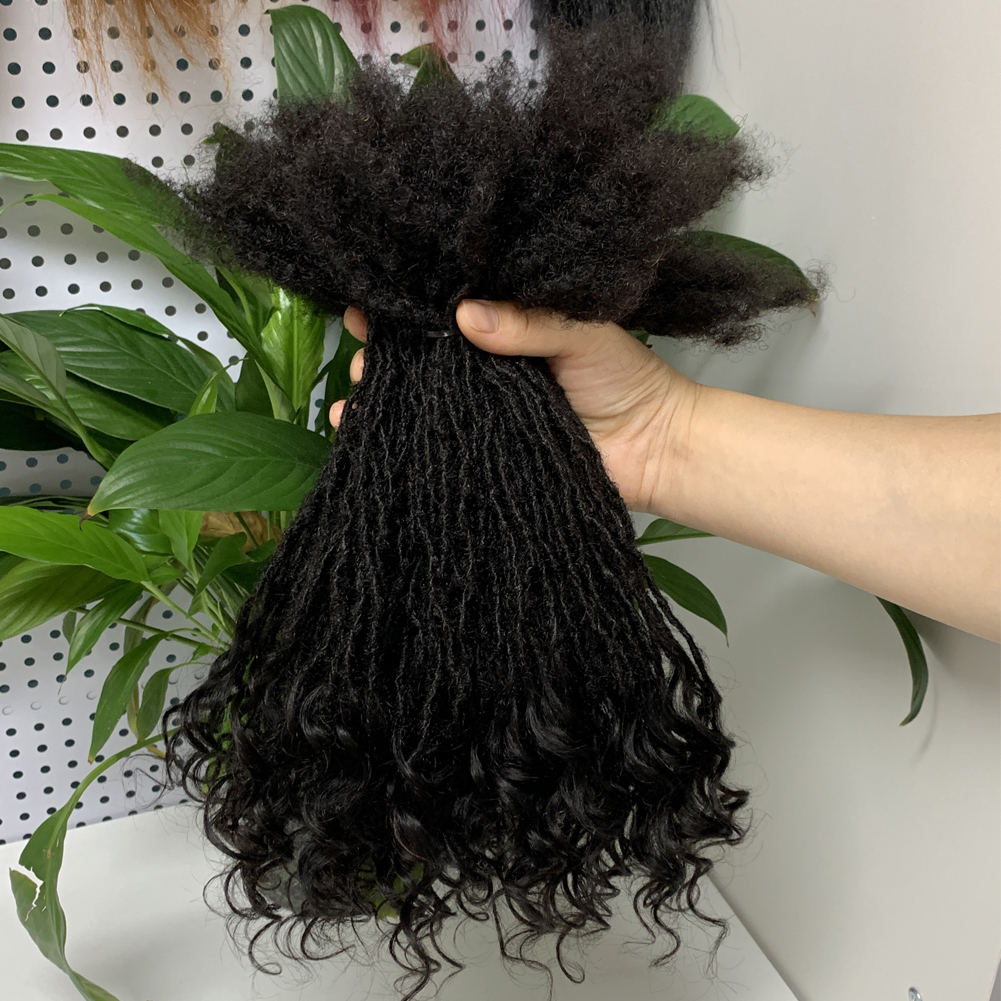
A sample pack from a new supplier is a curated object. The bulk production batch behind it is an average one. The gap between the two is where most salon buyers lose money on interlocked microlocs, and a small trial order is the cheapest way to measure that gap before committing volume.
1. What a Trial Order Should Actually Test
Test the variables that a sample cannot show you: consistency between units inside the same batch, weight accuracy against the invoice, colour match under daylight rather than studio light, behaviour after a single wash, and whether the packaging survives international freight. One curated hank cannot answer any of these questions; ten units drawn from the production line can.
2. Sizing the Trial
The trial must be large enough to include several production days and, ideally, more than one dye lot, yet small enough that a total failure is survivable. Record the lot or batch code on every carton. If the factory cannot tell you which lot a carton came from, that alone is a finding, because repeat orders on interlocked microlocs live or die on lot traceability.
3. The Written Scorecard
Score each criterion pass or fail against the approved reference before you reorder, and photograph the results in daylight so the factory sees the same evidence you do. Keep one sealed unit from the trial as a retained sample. That sealed unit becomes the reference for every future shipment, and it converts a subjective conversation about "different" hair into a measurable one.