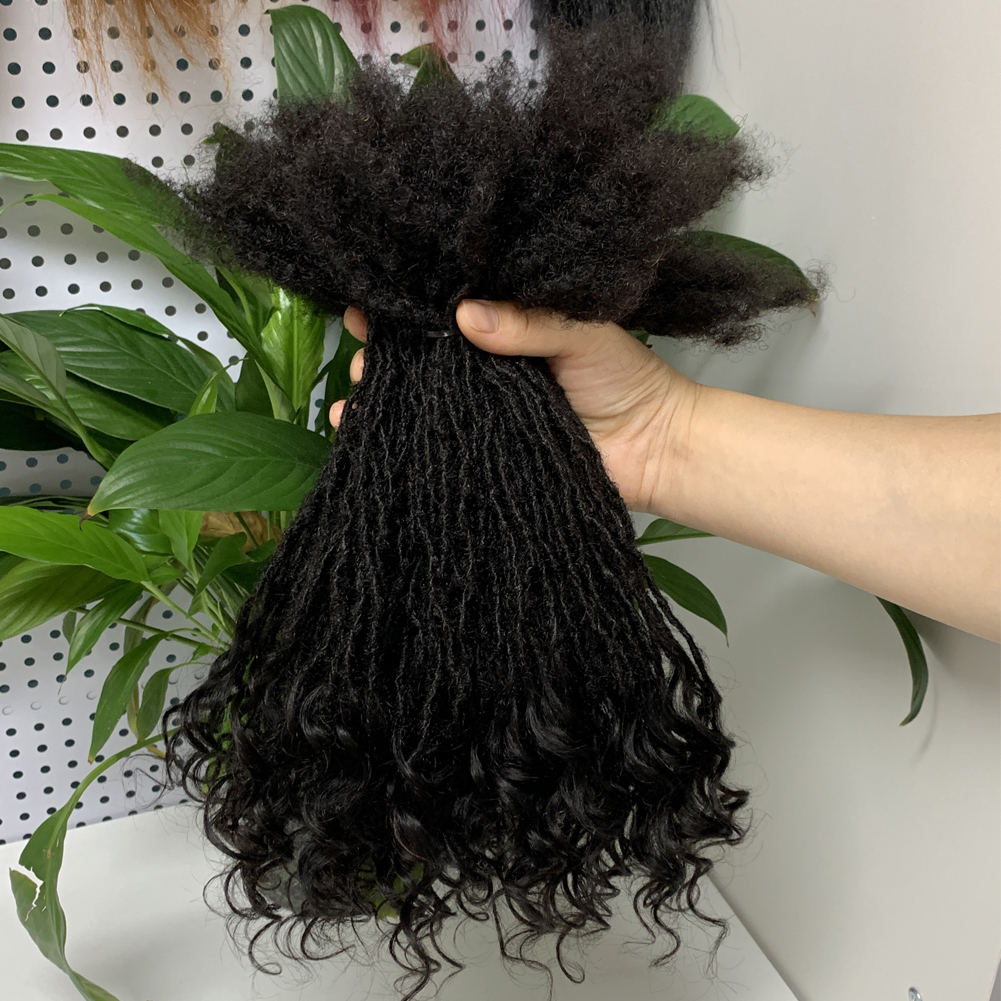
A salon menu is a promise about appearance. When a repeat order of interlocked microlocs arrives a shade off, the menu quietly breaks: two clients with the same service end up with different results, and the stylist absorbs the complaint. Colour on repeat orders has to be contracted, not hoped for.
1. Approve an Object, Not a Photograph
Screen calibration, indoor lighting and camera colour science all distort a photo. Approve a physical hank or unit, keep a signed copy with the factory and a sealed copy in the salon, and state the viewing condition for matching, such as north daylight against a neutral grey card. Both sides should be able to point at the same object when a dispute starts.
2. What Belongs in the Purchase Order
Reference the approved sample code, state that no visible shade shift is acceptable under the agreed viewing condition, and require written notice before any dye lot change so the salon can re-approve. Add the right to reject and return out-of-tolerance units. A supplier that re-dyes without notice is not being careless, it is being unmanaged.
3. When Drift Happens Anyway
Separate the batch on arrival, do not mix lots on a single head, and submit photographs with the lot code and the sealed reference visible in the same frame. That evidence package is what supports a credit or replacement. Keeping the lot codes on the stock shelf is the difference between a recoverable claim and an expensive write-off.