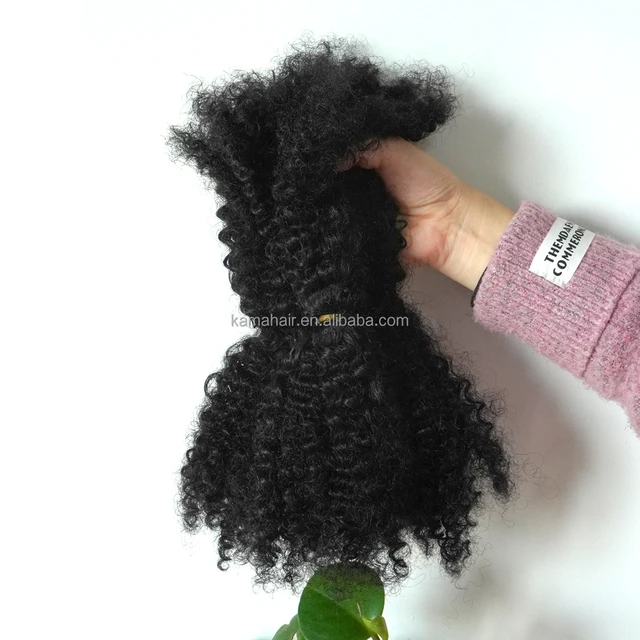
A salon that installs micro locs already has a retail audience sitting in the chair: clients who want to maintain their locs between appointments. Private labelling the extension is the obvious next step, but the margin only works if the packaging threshold and retail ticket are worked out before the first branded run is ordered.
1. Landed Cost per Retail Pack
Start from the installed consumption figure, not the strand price. Determine how many strands a typical client needs for a maintenance top-up, and build the retail pack around that number rather than a round figure chosen for packaging convenience. Landed cost per pack is strand cost multiplied by pack count, plus packaging and any per-unit handling. Until that number is written down, every retail price is a guess.
2. The Packaging Threshold That Justifies a Premium
Private label works when the pack signals something the loose bulk does not: verified strand count, a sealed and labelled presentation, and clear aftercare guidance. Those three elements are what allow a retail ticket above the equivalent loose bulk price. Packaging that only adds a logo without adding verifiable information does not move the price, it just adds cost. Keep the first run small and confirm the retail ticket is actually achievable before scaling the pack design.
3. Protecting the Installation Business
A retail pack competes with the salon's own service revenue if clients use it to self-maintain incorrectly. Price and label the pack as a maintenance top-up with an explicit recommended use, and keep the retightening appointment as the primary maintenance path. Salons that position private label as a between-appointment product, rather than a substitute for the appointment, protect both revenue lines instead of trading one for the other.